
static [ˈstatɪk]:
Adjective:
– lacking in movement, action, or change, especially in an undesirable or uninteresting way
– forces in equilibrium.
Noun:
– an electrical charge of materials when they are rubbed.
– noise, magnetic interference
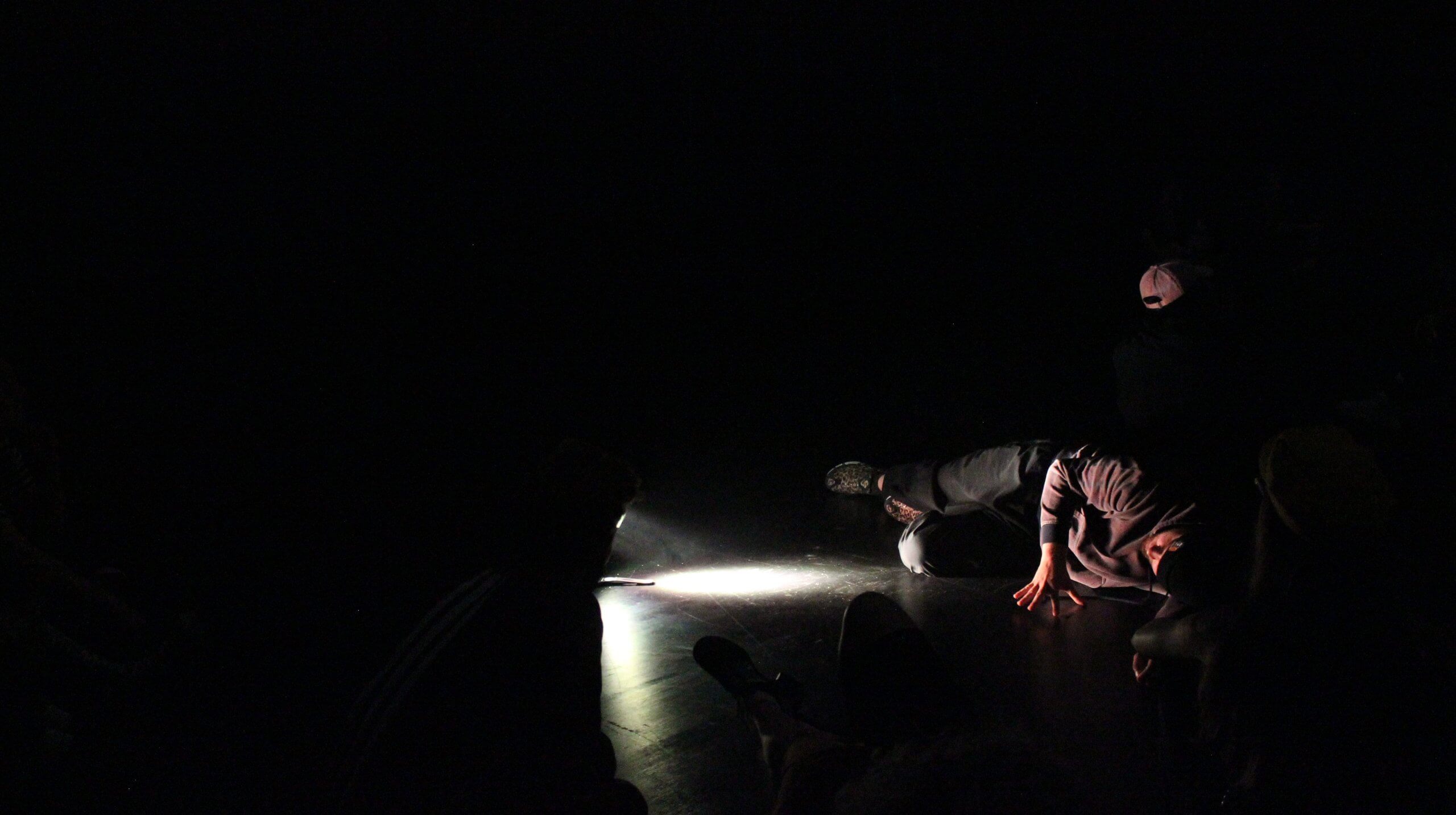
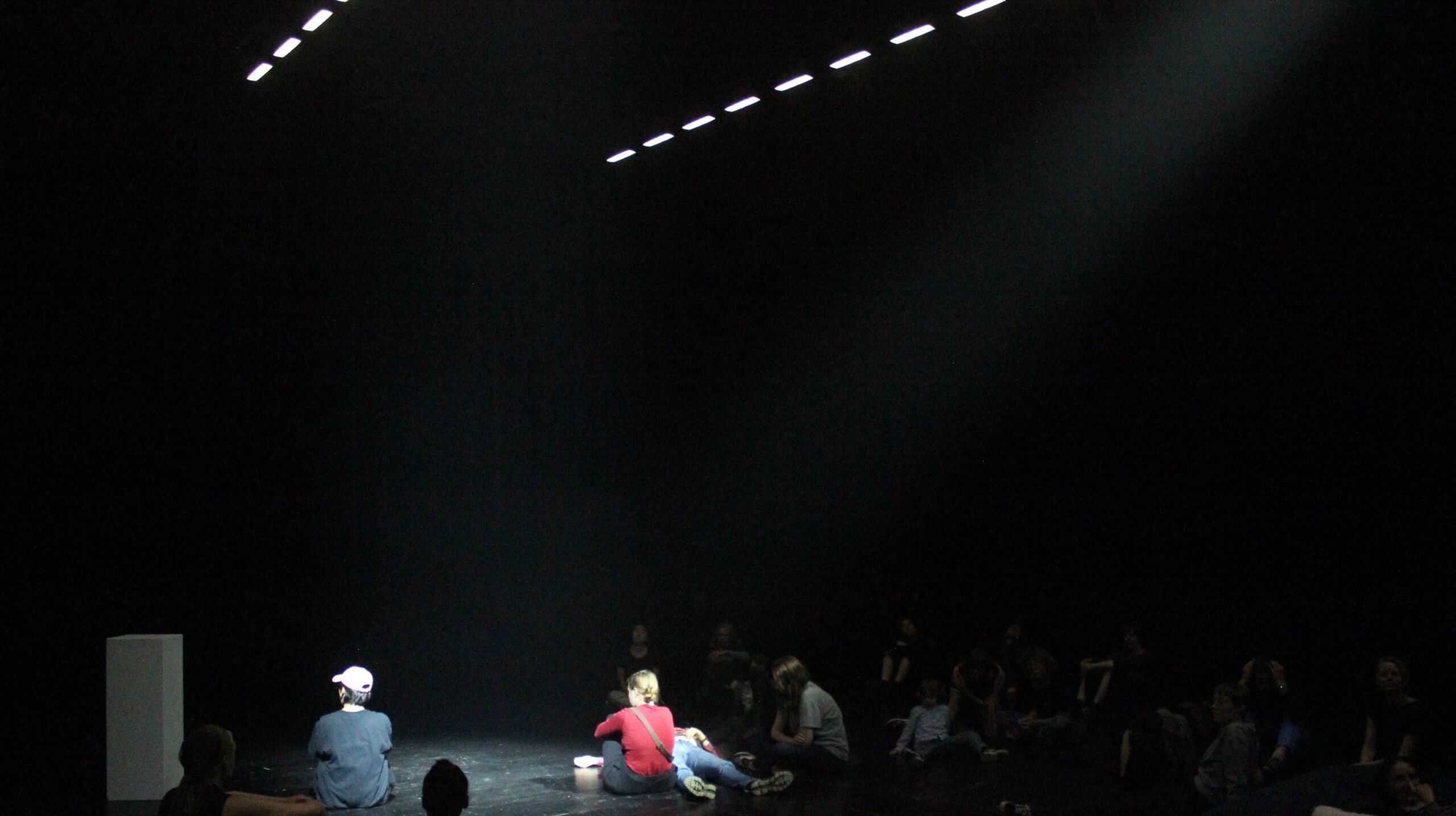
Our “installation-performance” is influenced by television static – the ever-shifting black and white patterns caused by the absence of a clear signal. I once read that static is the closest visual manifestation of everything: it occurs because the antenna does not filter the electronic impulses it receives from the air – it is life in its purest form. What looks like emptiness, an absence of an image, is in fact the movement of existence itself. This paradox gives the work its title: static – at once stillness and perpetual change.
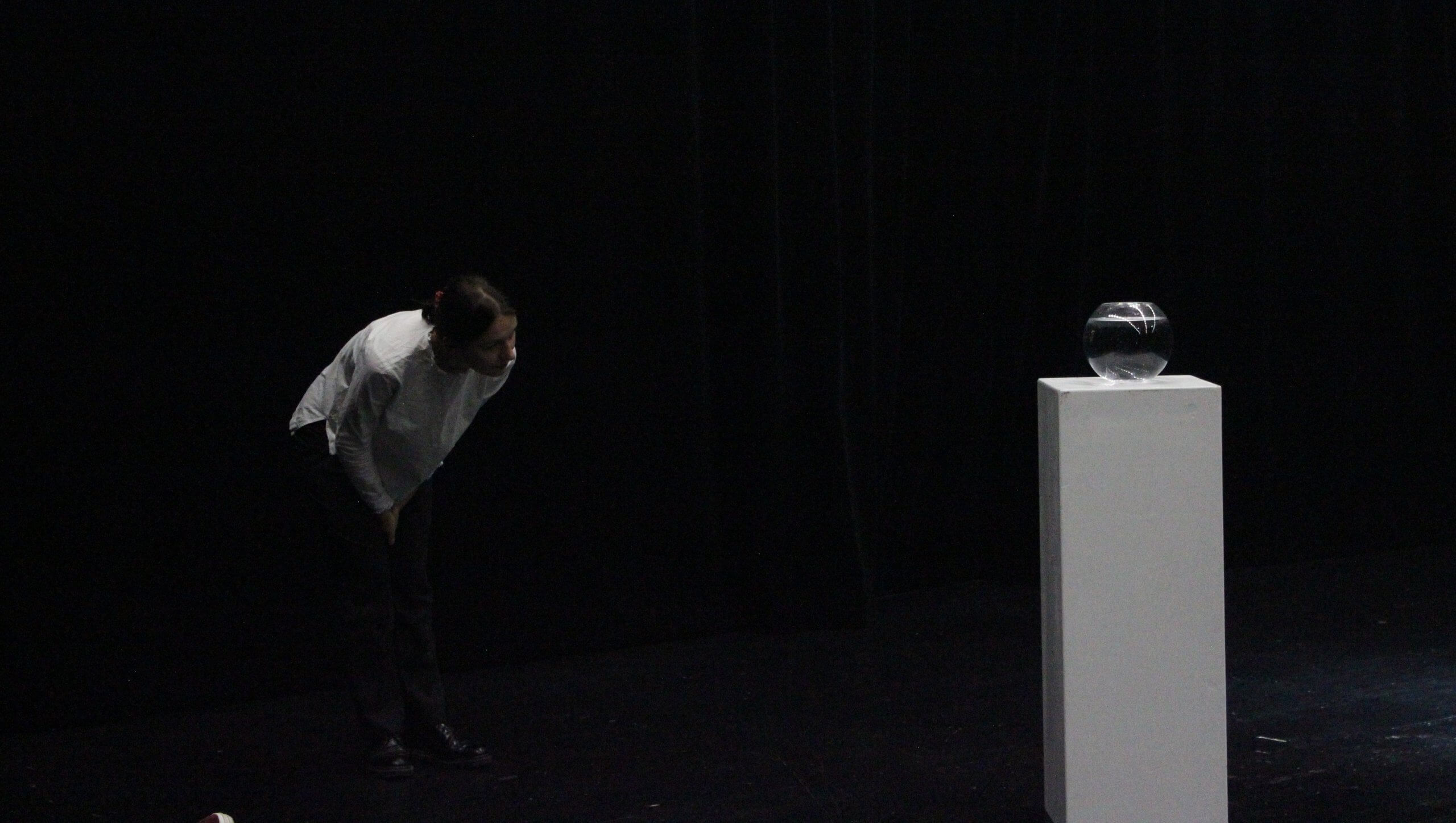
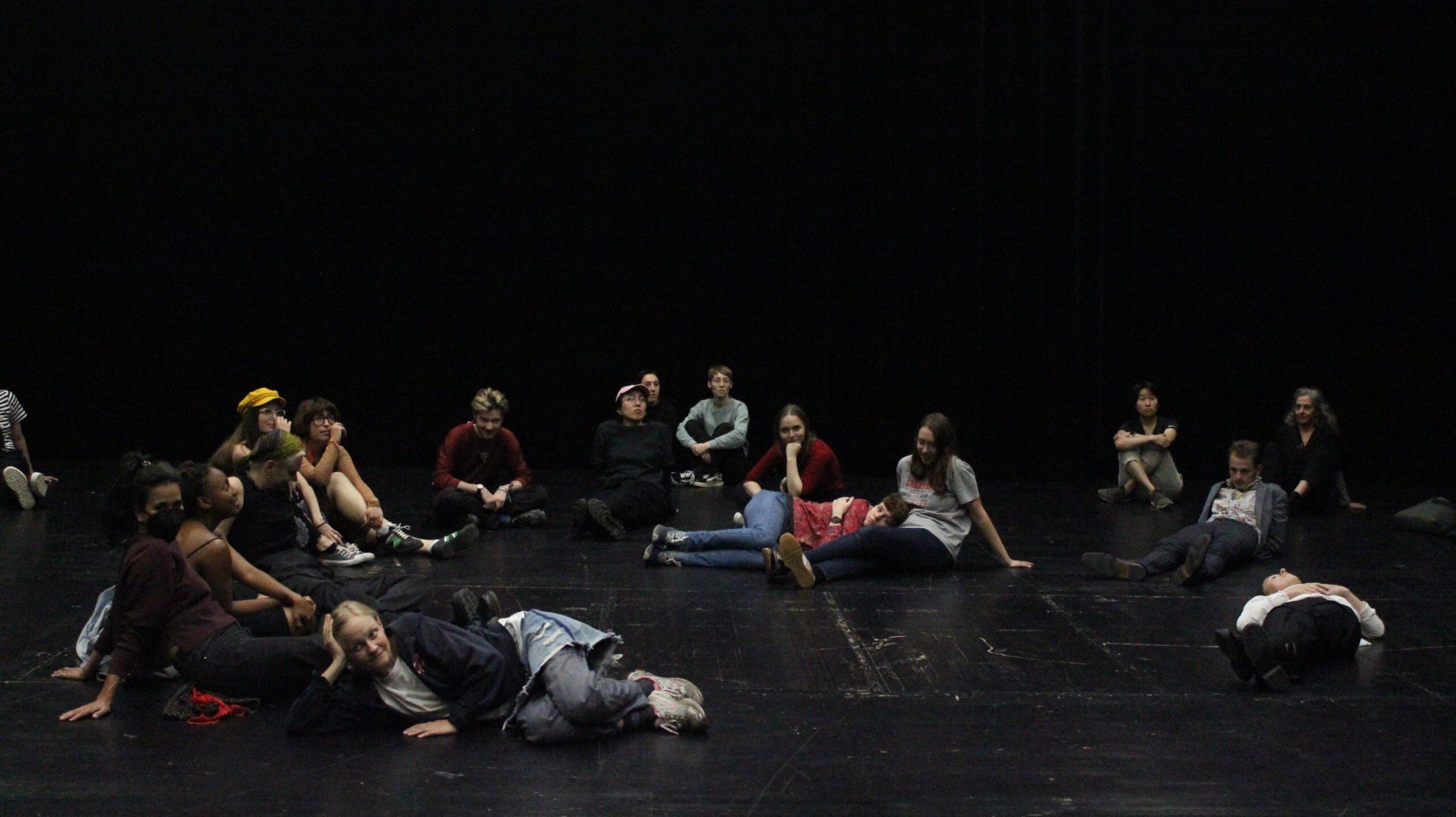
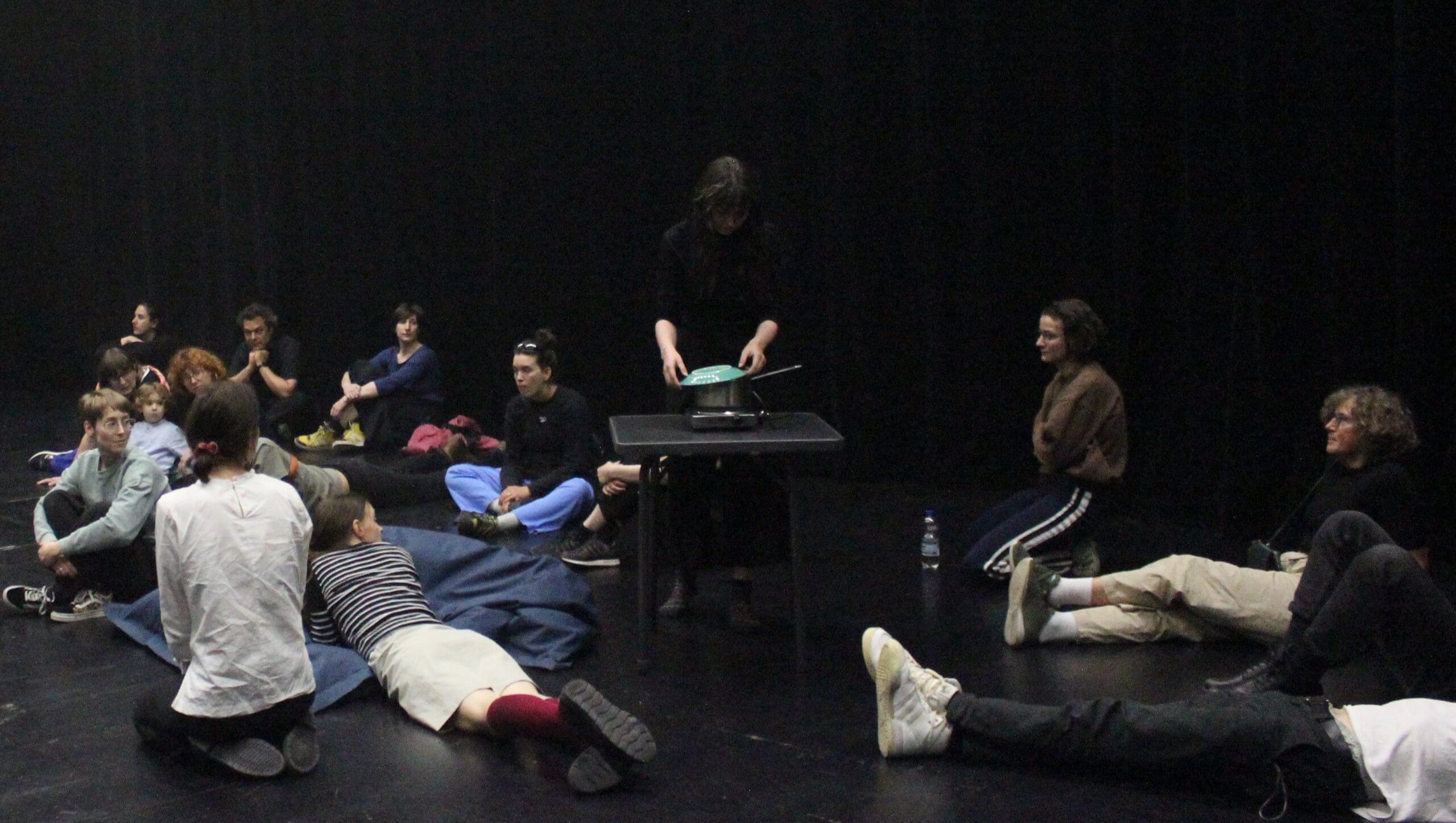
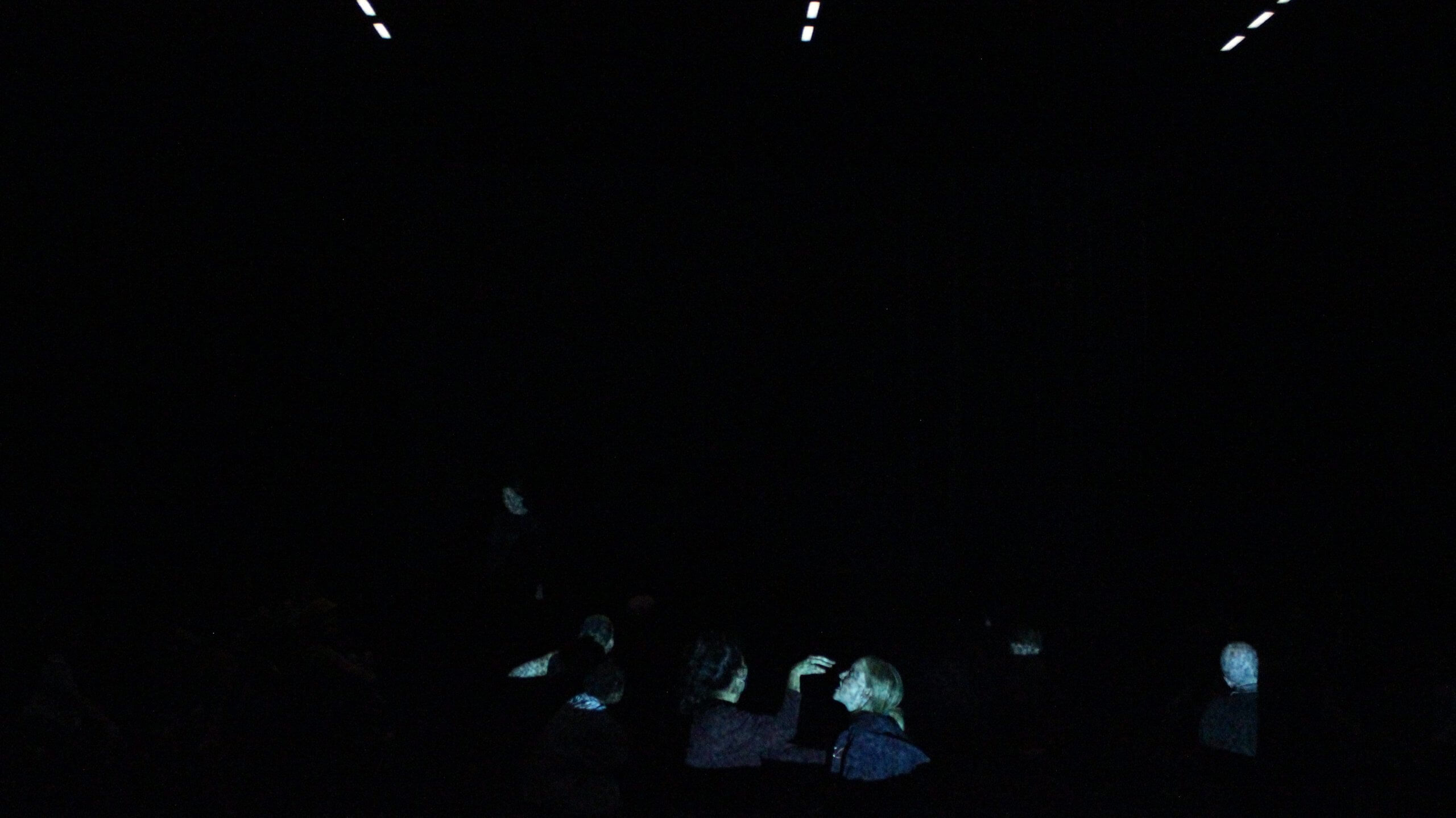
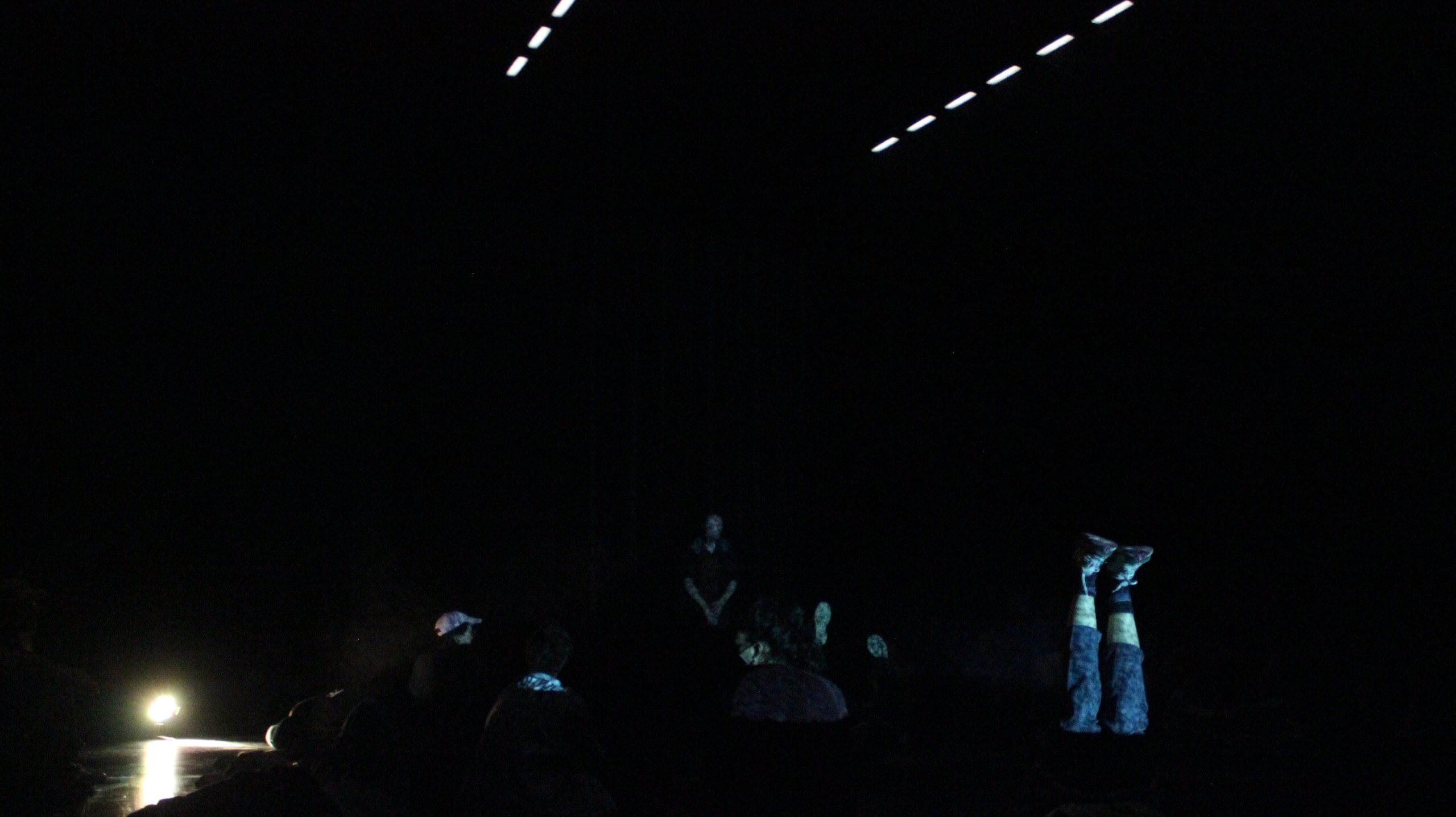
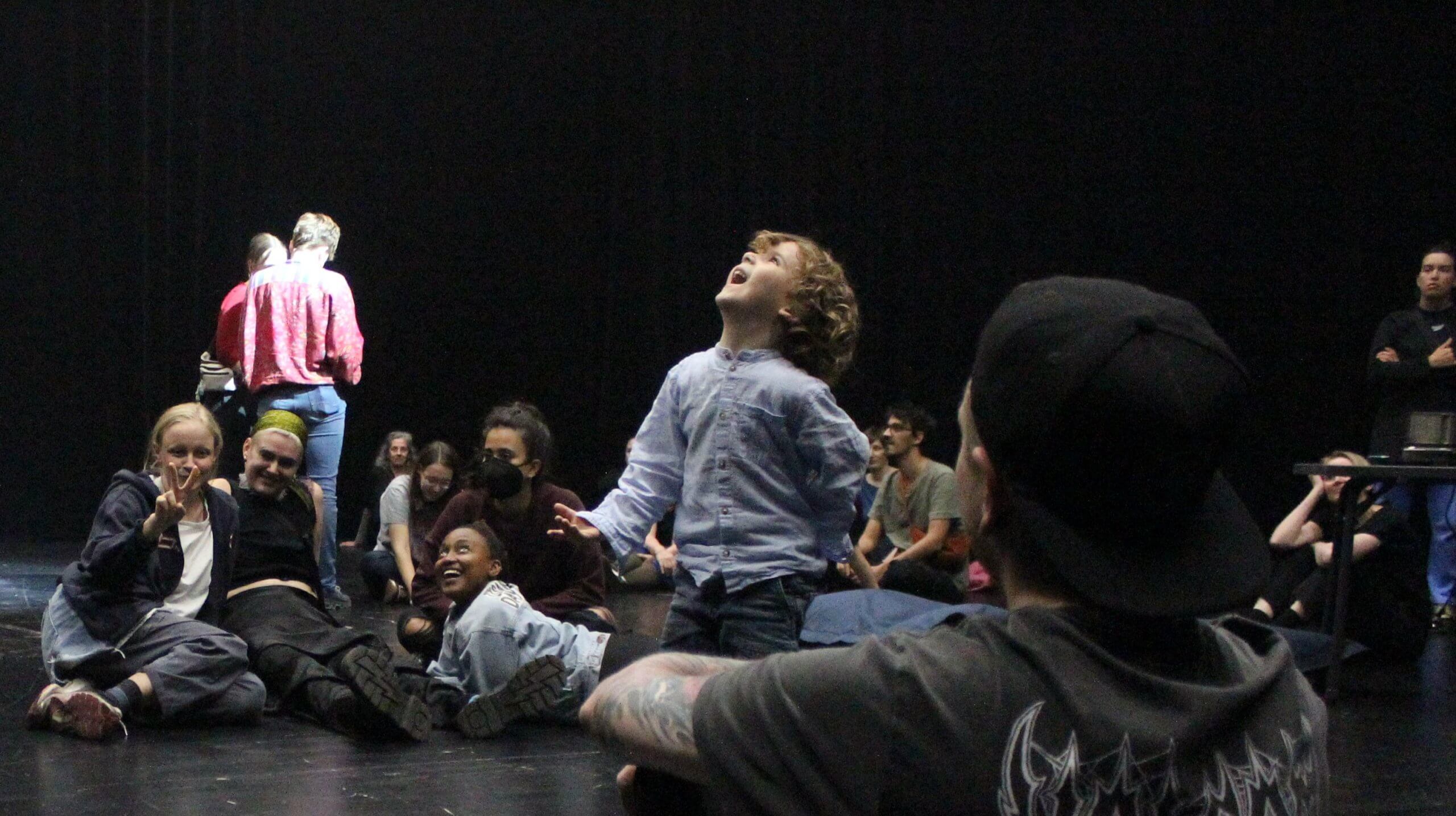
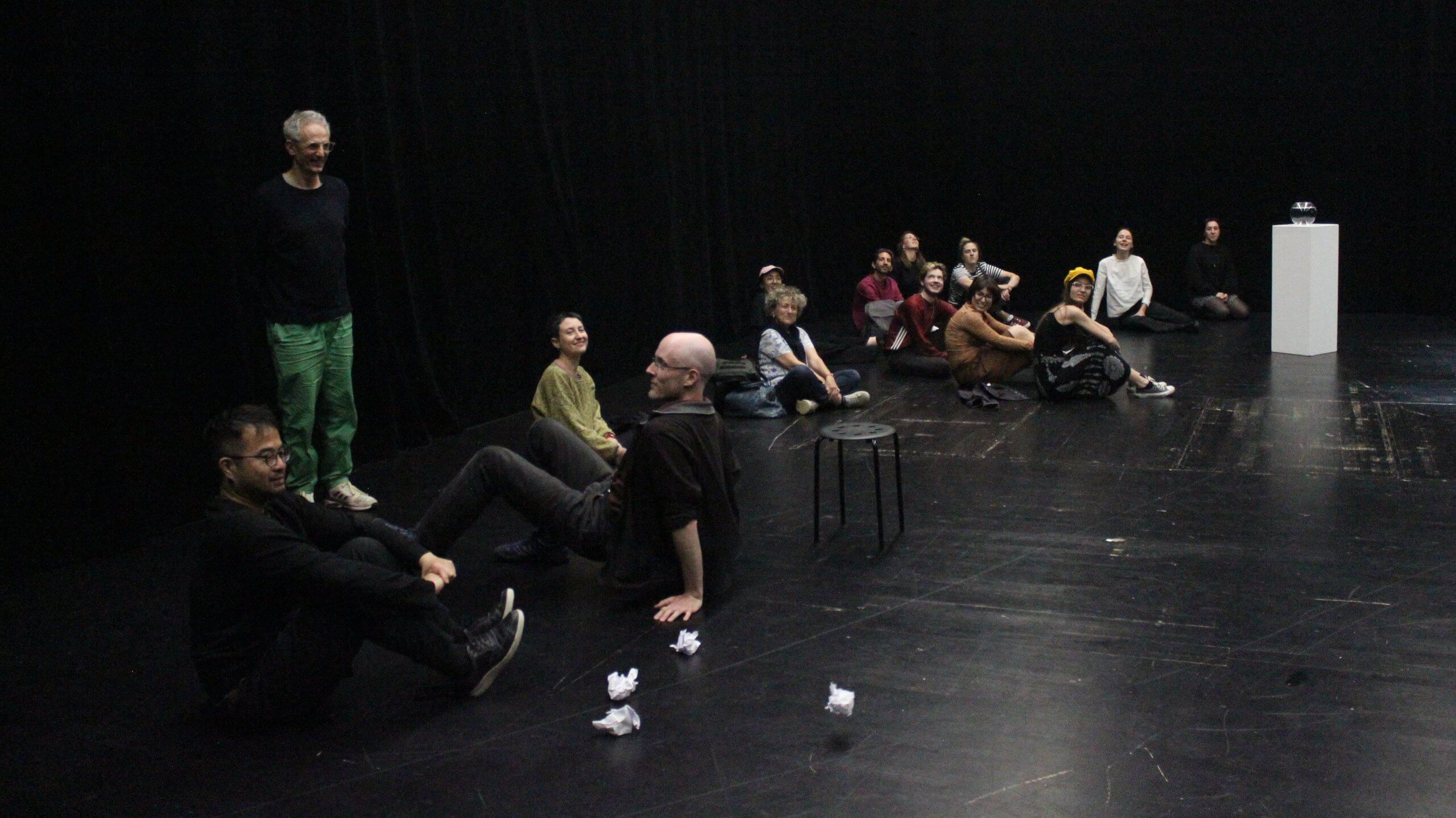
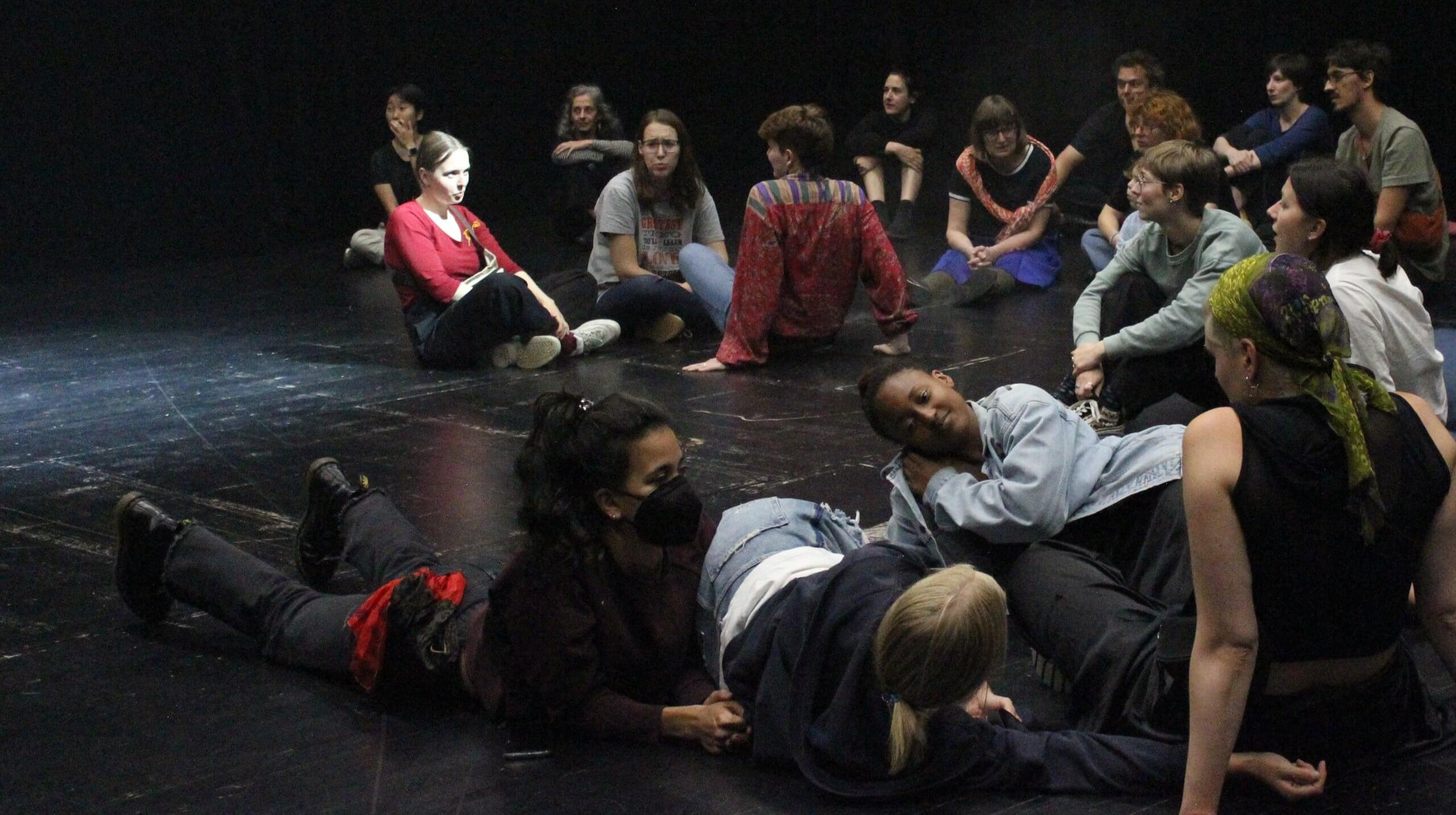
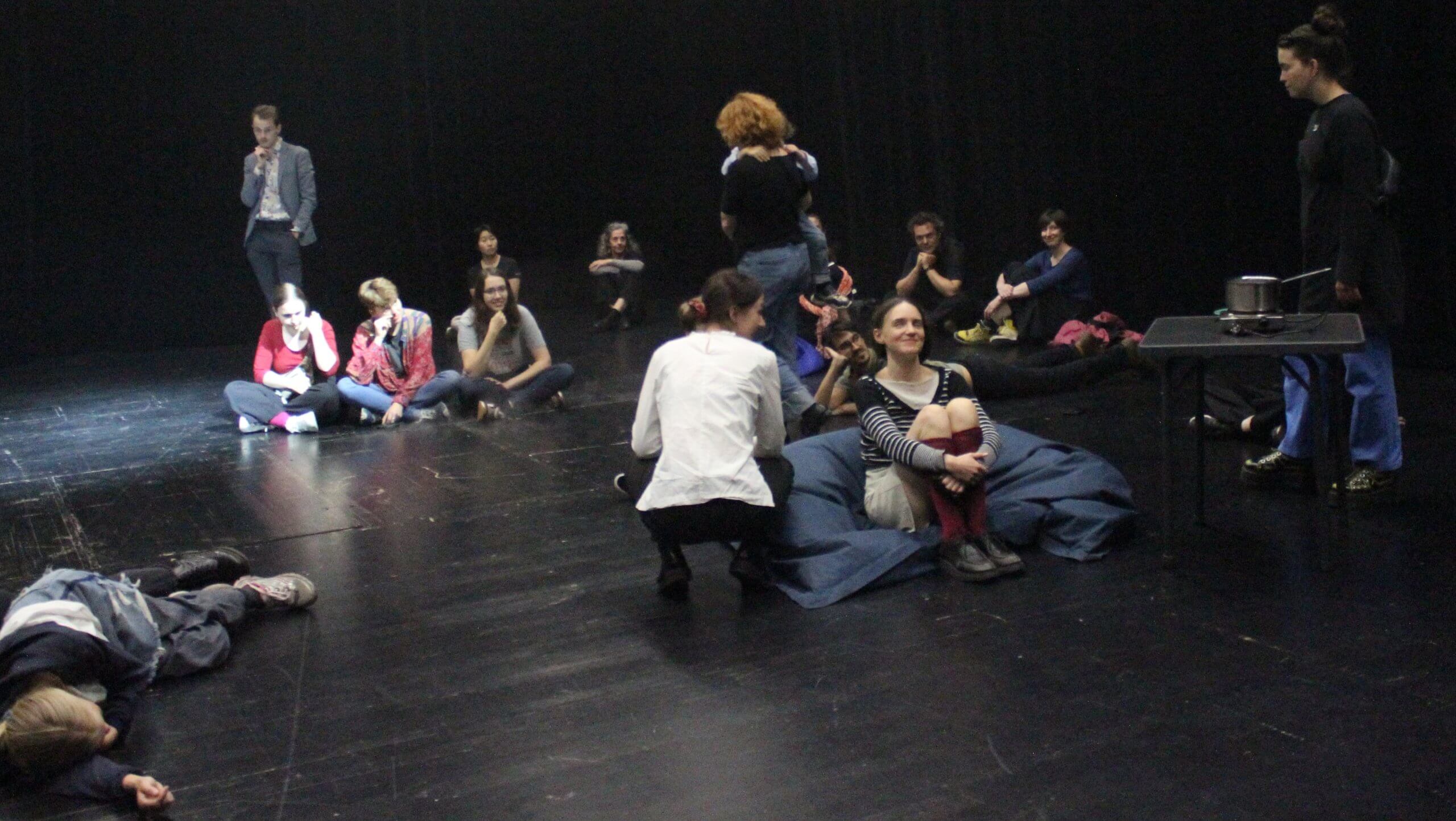
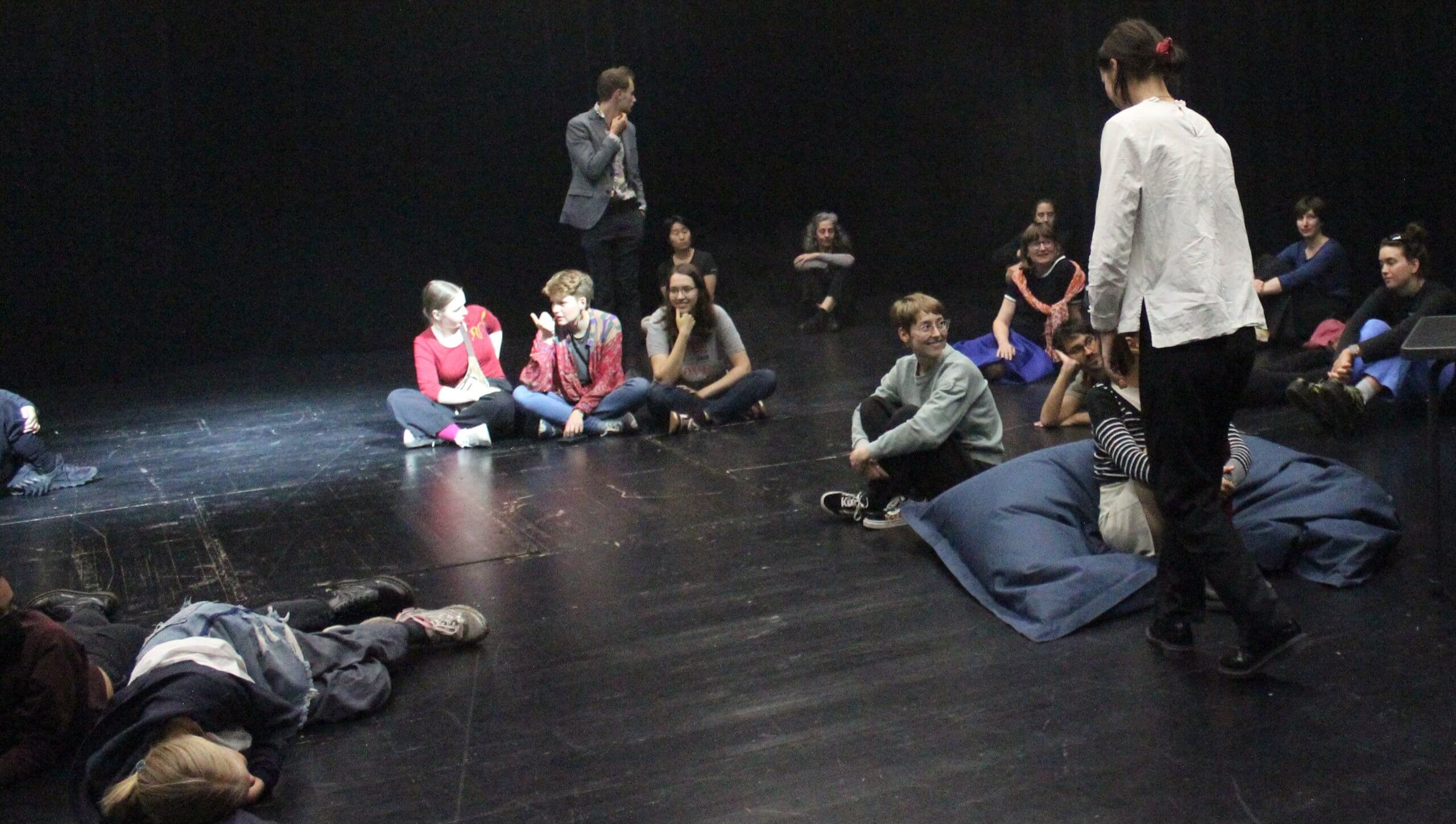
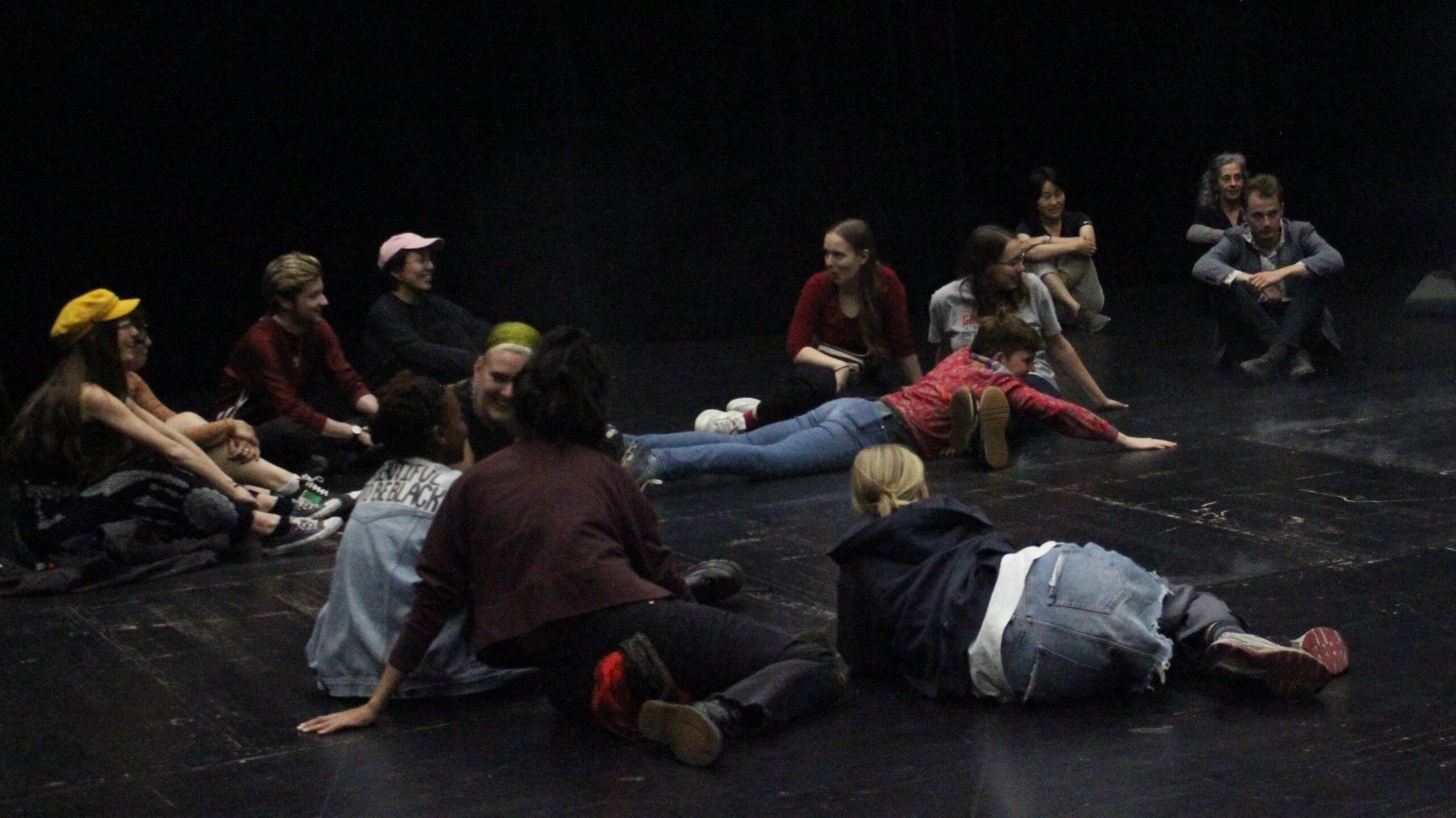
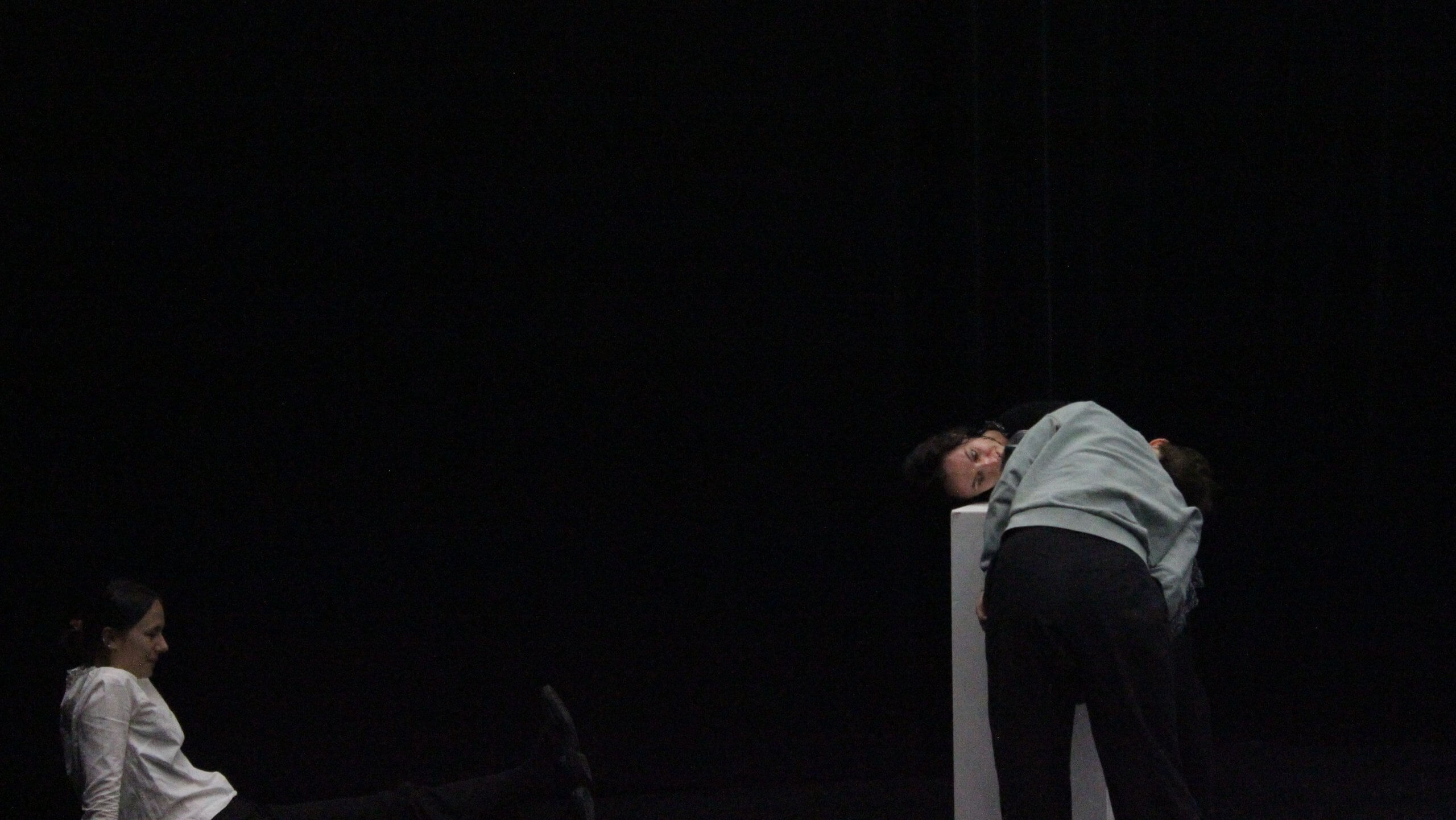
The production turns the logic of the exhibition space inside out. Here, the art piece becomes the audience – their movements and spatial negotiations around the minimal pre-designed occurrences forming a living, changing architecture: a dance.
Static! explores how reciprocity between beings emerges when the constant flow of pre-engineered information is disrupted, opening space to explore personal narratives where multiple realities (can) coexist. The space is always more. Always something still.
Concept: Balint Barabas Szigeti
Choreographer: Anna Gies
Dramaturg: Katerina Kalantranaki
Exhibition: Eszter Sonnevend
Installation, Technical aid: Tobias Hahnefeld
Performers: Annu Koetter, Balint Barabas Szigeti, Katerina Kalantranaki
Creators uncredited: Adi Einecke, Damian Obara, Isabelle Gebert
language: English, German
duration: 60-75 min
notes: darkness, flickering lights, audience participation